Expert Insights: Emerging IT Trends Impacting Local Businesses


Understanding the Shift: Digital Transformation
In today's rapidly evolving technological landscape, digital transformation has become a critical focus for local businesses. This shift involves integrating digital technology into all areas of a business, fundamentally changing how you operate and deliver value to customers. Companies that embrace this trend are often better positioned to adapt to market changes and enhance customer experiences.
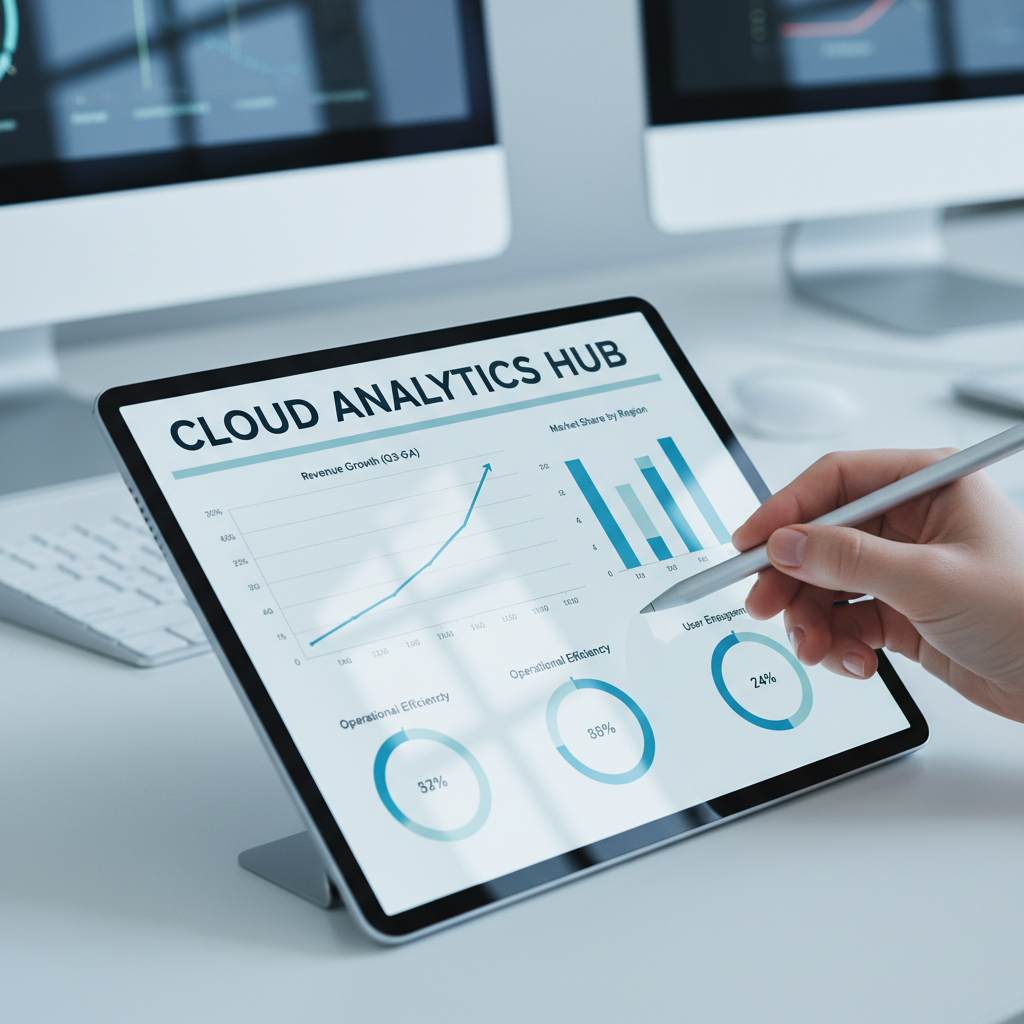
One key aspect of digital transformation is the adoption of cloud computing. By moving operations to the cloud, businesses can enjoy increased flexibility and cost savings. This transition allows for easier data access, improved collaboration, and scalability.
The Rise of Artificial Intelligence
Artificial Intelligence (AI) is no longer a futuristic concept; it's a reality impacting local businesses today. AI technologies, such as machine learning and natural language processing, are being used to automate operations, personalize marketing efforts, and enhance customer service. By leveraging AI, businesses can gain insights into customer behavior, predict trends, and make more informed decisions.
For local businesses, AI can be particularly beneficial in streamlining customer interactions. Chatbots, for example, can handle routine inquiries, freeing up human resources for more complex tasks. This not only improves efficiency but also enhances customer satisfaction.

Embracing the Internet of Things (IoT)
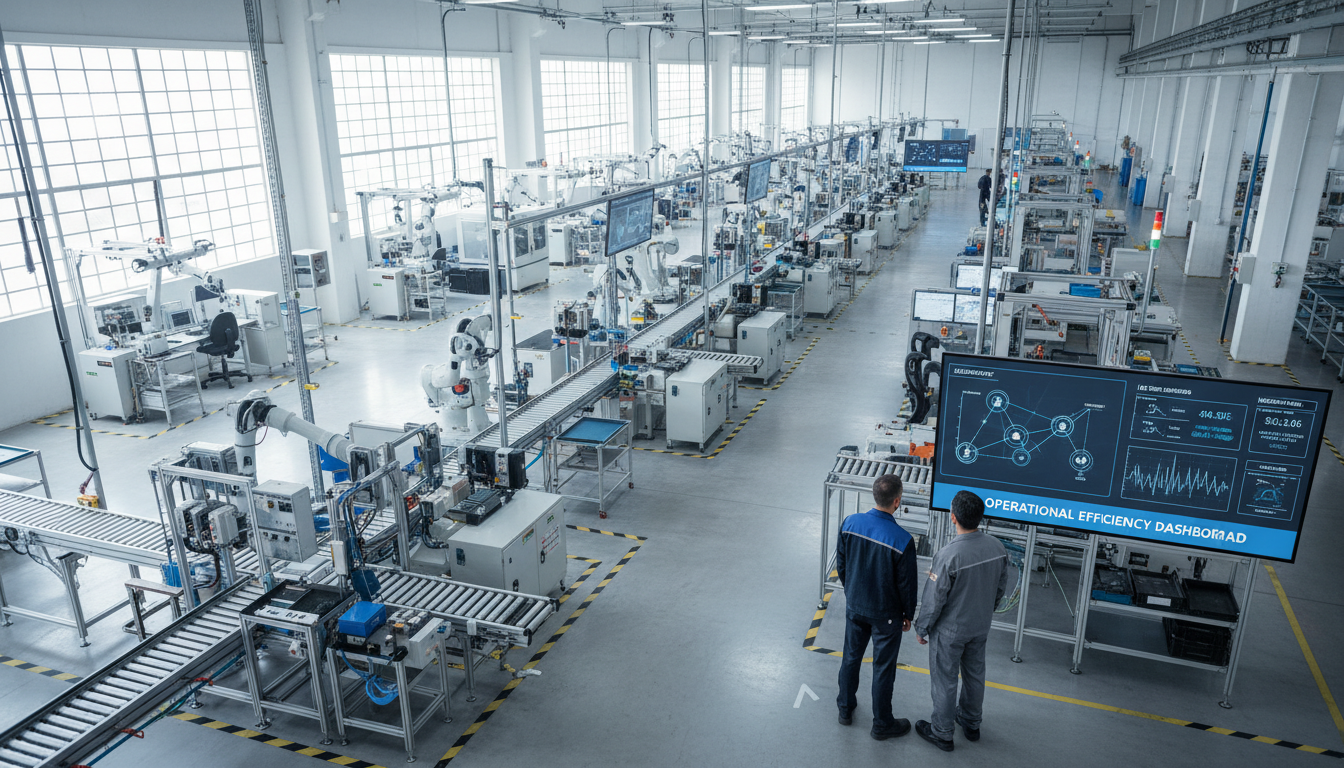
The Internet of Things (IoT) is another emerging trend that's reshaping local businesses. IoT involves connecting everyday objects to the internet, allowing them to send and receive data. This connectivity can lead to improved efficiency and new business opportunities.
For instance, IoT can help local retailers optimize their supply chains by providing real-time inventory tracking. This ensures that products are always in stock and minimizes waste. Additionally, IoT can be used to create smart offices and stores, enhancing both employee productivity and customer experiences.
Enhancing Cybersecurity Measures
As technology evolves, so do the threats to security. Cybersecurity has become a crucial consideration for local businesses aiming to protect sensitive data and maintain customer trust. Implementing robust security measures is no longer optional but a necessity.
Local businesses should focus on adopting comprehensive cybersecurity strategies, including regular software updates, employee training, and advanced threat detection systems. By doing so, they can safeguard their operations against potential breaches and ensure business continuity.
Leveraging Data Analytics
Data analytics is transforming how local businesses operate by providing actionable insights. By analyzing customer data, businesses can identify trends, optimize operations, and personalize services. This data-driven approach enables companies to make smarter, more strategic decisions.
Furthermore, data analytics can help local businesses improve their marketing strategies. By understanding customer preferences and behaviors, businesses can tailor their offerings to meet specific needs, ultimately driving growth and customer loyalty.

The Future of Work: Remote and Hybrid Models
The shift towards remote and hybrid work models is another trend impacting local businesses. The COVID-19 pandemic accelerated the adoption of these models, and many companies are continuing to embrace them as a permanent solution. This change allows businesses to access a broader talent pool, reduce overhead costs, and enhance employee satisfaction.
To successfully implement remote or hybrid work models, businesses must invest in the right technology. This includes collaboration tools, secure communication platforms, and systems that support remote work infrastructure.
In conclusion, local businesses that stay ahead of these emerging IT trends are more likely to thrive in a competitive environment. By embracing digital transformation, AI, IoT, cybersecurity, data analytics, and flexible work models, companies can enhance their operations and better serve their customers.