The Impact of Seasonal Changes on IT Infrastructure: Preparation Tips


Understanding the Impact of Seasonal Changes
As the seasons shift, businesses must be mindful of how these changes can affect their IT infrastructure. Temperature fluctuations, humidity, and even weather-related events can pose significant challenges. Recognizing these impacts can help businesses prepare and minimize risks.
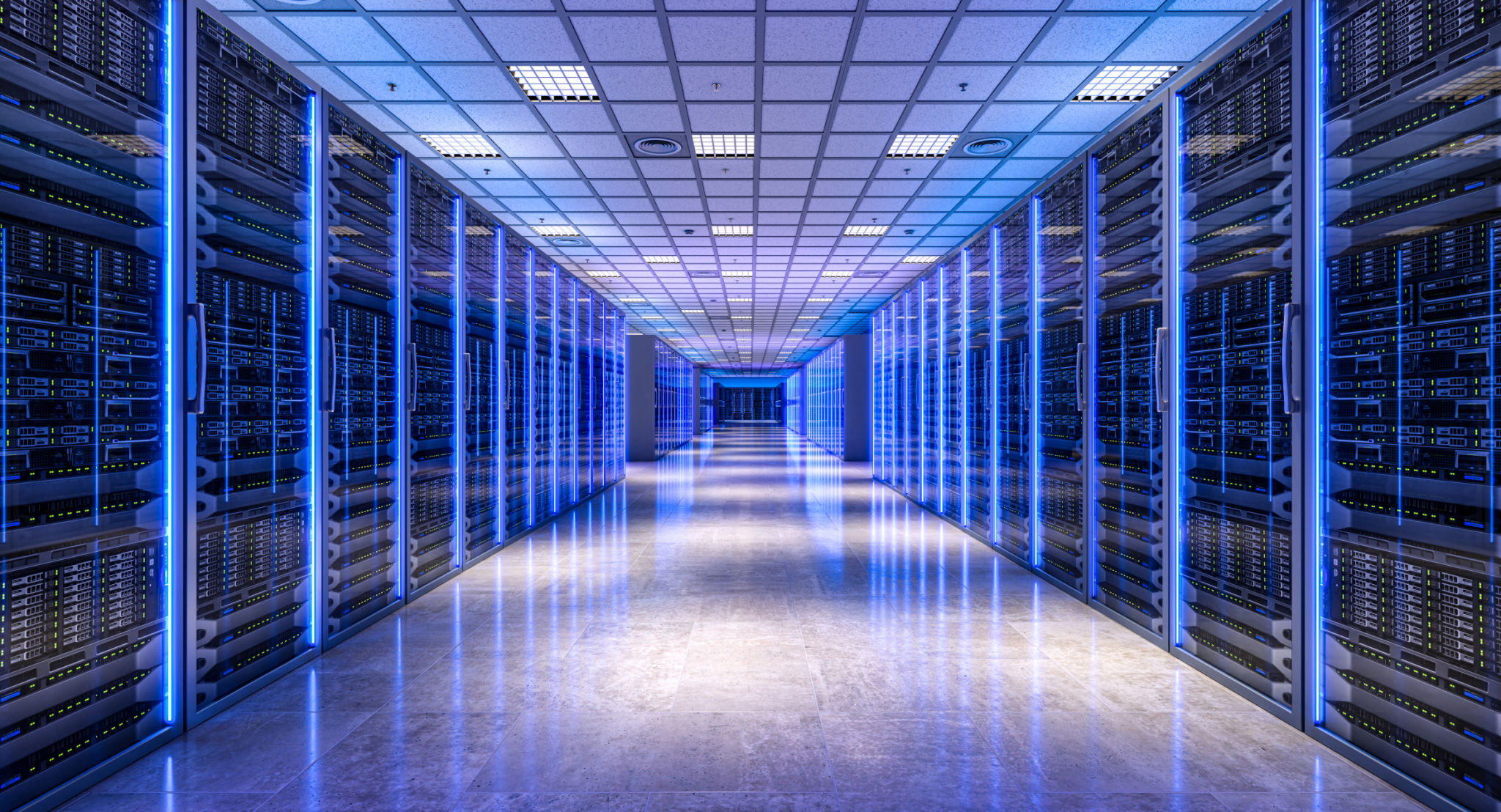
For example, during the summer months, increased temperatures can lead to overheating of servers and other critical equipment. Conversely, winter can bring about issues related to cold weather and moisture, potentially affecting hardware performance.
Preparing Your IT Infrastructure
Temperature Control
Maintaining optimal temperature is crucial for the smooth operation of IT systems. Implementing effective cooling solutions, such as air conditioning and proper ventilation, can prevent overheating. Regular checks and maintenance of cooling systems ensure they function efficiently throughout the year.
Humidity Management
Humidity levels can also impact IT infrastructure. High humidity may cause condensation, leading to equipment damage, while low humidity can result in static electricity, harming sensitive components. Utilizing humidifiers or dehumidifiers helps maintain the ideal moisture level in server rooms and data centers.

Weather-Related Risks
Power Outages and Surges
Seasonal storms can result in power outages or surges, potentially damaging IT equipment. Investing in uninterruptible power supplies (UPS) and surge protectors can shield systems from sudden power disruptions. Additionally, having a backup generator ensures minimal downtime during extended outages.
Data Backup and Recovery
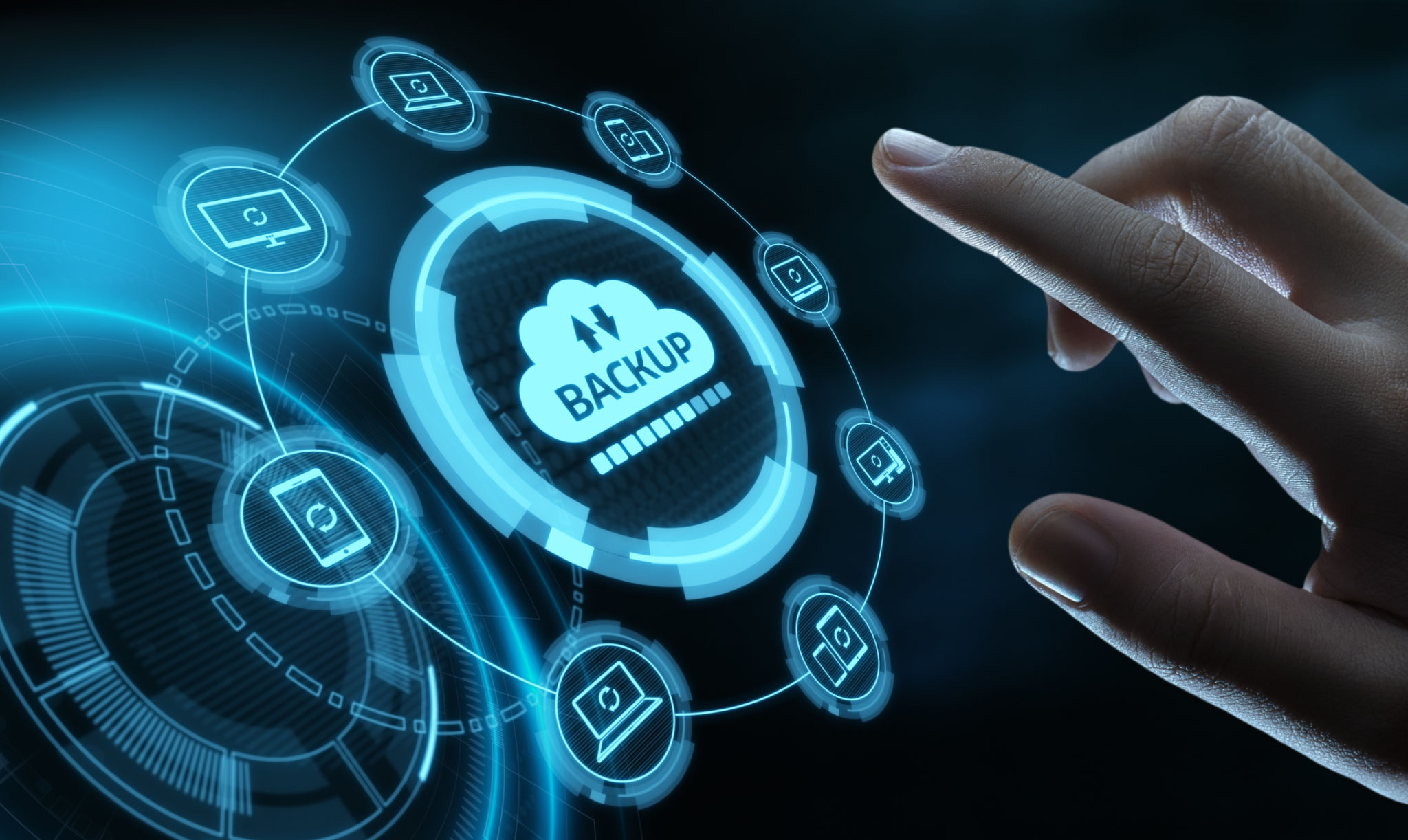
Regular data backup is essential to safeguard against potential data loss due to seasonal events. Implementing a comprehensive data recovery plan ensures quick restoration of information, minimizing operational disruptions. Cloud-based solutions offer an added layer of security and accessibility.
Proactive Maintenance and Monitoring
Routine maintenance and monitoring can detect early signs of potential issues, allowing for timely interventions. Utilizing automated monitoring tools can help track system performance and environmental conditions, ensuring everything runs smoothly.
Moreover, scheduling regular inspections and updates for hardware and software components ensures they are in optimal condition to handle seasonal changes.
Training and Awareness
Educating staff about the risks associated with seasonal changes and the measures in place to mitigate them is crucial. Conducting training sessions helps employees understand best practices for maintaining IT infrastructure and responding to emergencies.
By fostering a culture of awareness and preparedness, businesses can enhance their resilience against seasonal challenges, ensuring continuity and efficiency.